A new museum in Pyongyang is not just a tribute—it’s a calculated political signal. North Korea has officially opened a memorial museum dedicated to troops killed while fighting alongside Russian forces. The move, while framed as an act of remembrance, underscores a seismic shift in global military alliances and the DPRK’s increasing integration into Russia’s strategic defense operations.
This is not merely about honoring the dead. The museum serves as a physical manifestation of a clandestine military partnership that has quietly taken root amid international isolation, arms shortages, and geopolitical realignment. For analysts, the memorial raises urgent questions: How many North Korean soldiers have died in Ukraine-related combat? How deep does the DPRK-Russia cooperation run? And what does this mean for future regional and global stability?
A Memorial With a Message
The museum, located in a newly repurposed section of Pyongyang’s Victorious Fatherland Liberation War Museum complex, features dimly lit halls, preserved military gear, and personal artifacts of fallen soldiers. State media described the space as a “sacred ground of revolutionary sacrifice,” where visitors walk past mannequins in winter combat gear, battlefield dioramas, and digital screens displaying blurred footage of artillery barrages.
But there’s no mention of Ukraine. Instead, the narrative centers on “imperialist aggression” and “fraternal defense of socialist brotherhood.” The soldiers are portrayed not as mercenaries or foreign fighters but as volunteers defending a shared ideological cause. This carefully curated storytelling is classic North Korean propaganda—transforming geopolitical maneuvering into mythic resistance.
One exhibit shows a reconstructed trench labeled “Donetsk Front,” while another displays letters from soldiers to their families, all heavily redacted and emotionally charged. “I fight so our children will never bow to American boots,” reads one, attributed to a 24-year-old artilleryman from Chongjin. Whether authentic or fabricated, these narratives serve to legitimize the deployment in the eyes of the domestic population.
Origins of the DPRK-Russia Military Alliance
The collaboration between North Korea and Russia did not emerge overnight. Its roots trace back to 2022, when Russia began facing severe artillery and munitions shortages in Ukraine. By 2023, reports from U.S. intelligence confirmed that Pyongyang had shipped millions of rounds of ammunition to Moscow. In return, North Korea received satellite technology, fuel, and possibly advanced missile components.
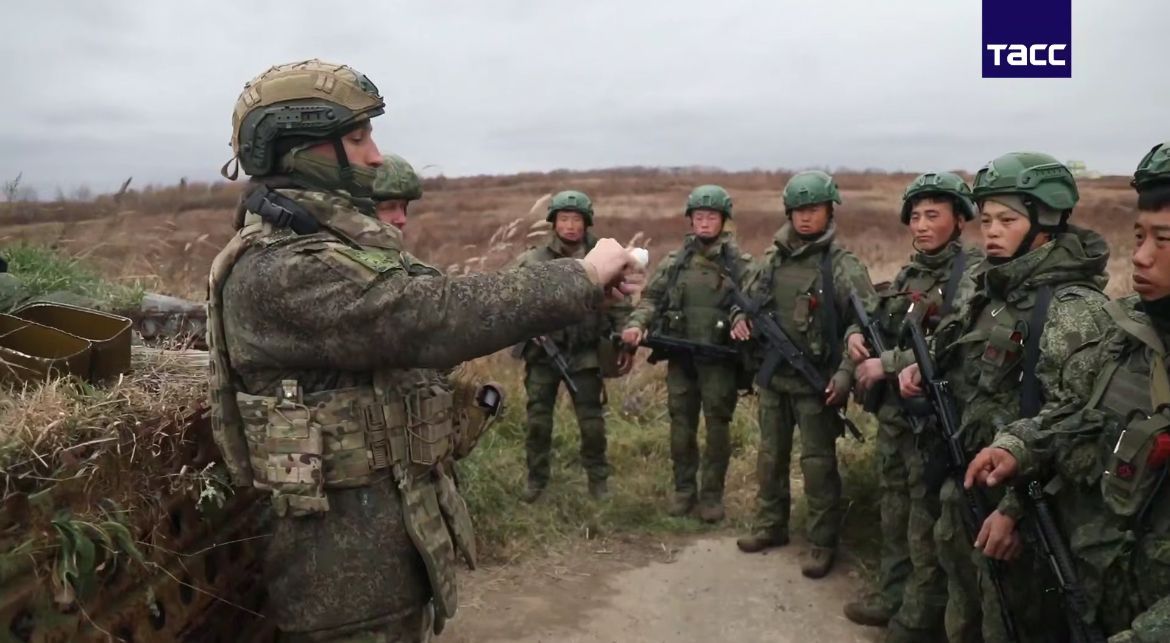
But the relationship escalated in early 2024. Satellite imagery and defector accounts suggest that over 10,000 North Korean troops—many from elite special operations units—were deployed to Russia for combat training. Some were then sent to eastern Ukraine under Russian command. Casualty estimates vary, but South Korean intelligence reports indicate at least 1,500 North Korean soldiers have died in combat, with hundreds more wounded or captured.
The museum’s existence confirms what had long been suspected: direct North Korean military involvement in a foreign war since the Korean War. Unlike past proxy engagements in Africa or the Middle East, this is a full-scale, state-sanctioned deployment with real combat exposure.
The Soldiers: Who Were They?
Most of the troops honored in the museum came from the Korean People’s Army’s 11th Red Flag Corps, a unit trained in mountain and winter warfare. Recruits were reportedly selected based on political loyalty, physical fitness, and ideological reliability. Many were in their early 20s, drawn from military academies or recent conscripts with no prior combat experience.

According to defectors, enlistment in the Russia-bound units was framed as a “revolutionary honor.” Soldiers were told they’d be training Russian allies, not fighting. Only after arriving in Siberia did some realize they’d be deployed to active fronts. Desertion was nearly impossible—communication was cut, movement restricted, and betrayal punishable by execution.
Families of the fallen were notified in writing, often months after death. Compensation, if any, reportedly included a modest stipend and priority access to housing or rations—small incentives in a country where survival is already precarious.
Propaganda and Domestic Control
The museum is more than a memorial—it’s a tool of domestic control. In a country with no free press and tightly managed information, public monuments serve as educational instruments, shaping national identity and reinforcing state narratives. By commemorating these soldiers, the regime accomplishes several goals:
- Legitimizes the war effort – Portrays involvement as defensive, not aggressive.
- Strengthens loyalty – Reinforces the idea that North Koreans must sacrifice for global socialism.
- Distances from failure – Avoids discussion of defeat, retreats, or poor battlefield performance.
- Mobilizes future recruits – Creates martyrs to inspire new generations.
State-run tours have already begun, with school groups, military cadets, and party officials visiting weekly. Guides emphasize the “heroic last stand” of certain units and the “treachery” of Western-backed forces. Photos of Kim Jong Un visiting the site during a private ceremony have been widely circulated in the media, reinforcing his role as commander-in-chief and national father figure.
International Reaction and Intelligence Concerns
The opening has triggered alarm among Western governments. The U.S. State Department called it “a disturbing acknowledgment of North Korea’s direct role in a war of aggression,” while NATO issued a statement warning of “unprecedented military collaboration between rogue states.”
South Korea responded with measured caution, though its Defense Ministry confirmed it had verified the identities of at least 300 of the soldiers named in the museum through facial recognition and family records. Japanese officials expressed concerns about the potential use of North Korean troops in future conflicts involving East Asian territories.
Intelligence agencies are now focused on two critical questions: - Are North Korean units being used as cannon fodder in high-casualty operations? - Could this cooperation expand to include cyber warfare, drone attacks, or even nuclear technology sharing?
Satellite surveillance shows continued troop movements near the Tumangang border crossing, and recent commercial imagery reveals new barracks and training grounds in Russia’s Far East—suggesting the deployment may be ongoing.
Strategic Implications for the Future
The museum’s unveiling marks a turning point. For decades, North Korea projected itself as a hermit kingdom—defiant but isolated. Now, it is actively participating in a European conflict, not through proxies, but with its own blood and steel.
This partnership benefits both regimes: - Russia gains a fresh supply of manpower and artillery, easing pressure on its own forces. - North Korea earns critical technological upgrades and diplomatic leverage, while testing its military in real combat.
But the risks are mounting. If more soldiers die, domestic unrest could follow. While the regime controls information now, digital leaks and defector testimonies may eventually erode the propaganda. Families grieving in silence could become a hidden threat to stability.

Moreover, the precedent sets a dangerous model. Other isolated regimes may see value in outsourcing military manpower in exchange for survival technology. The line between ally and mercenary blurs—and with it, the rules of modern warfare.
What This Means for Global Security
The museum is not just a building. It’s a declaration. North Korea is no longer a passive actor in global conflict—it is a willing combat participant, aligned with one of the world’s major military powers. This reshapes threat assessments across intelligence communities.
For defense planners, the implications are clear: - Future conflicts may involve hybrid forces blending regular troops with foreign volunteers. - Information warfare will intensify, with regimes using memorials and media to control narratives. - Sanctions may need to evolve to target military-logistical networks, not just weapons programs.
The world is entering a new era of shadow alliances—where war is fought not just on battlefields, but in museums, schools, and propaganda reels.
A Monument to a Hidden War
North Korea’s new museum does not stand alone. It is part of a broader strategy to normalize, sanctify, and sustain its military involvement abroad. Each artifact, each name on the wall, is a thread in a larger tapestry of statecraft and survival.
But behind the polished displays and solemn speeches lies a grim reality: young lives lost in a war they barely understood, families left in silence, and a regime willing to sacrifice its own for geopolitical gain.
As the world watches, the question is no longer whether North Korea is involved in foreign conflicts. The question is how far it will go—and how the international community will respond.
For now, the museum stands as both a warning and a challenge: war has evolved, and the next front may not be where—or who—you expect.
FAQ
Why would North Korea send troops to fight in Russia’s war? North Korea likely sent troops in exchange for advanced military technology, fuel, and political support, helping it bypass international sanctions and modernize its armed forces.
Are the soldiers in the museum really confirmed dead in combat? While the DPRK claims they died in “fraternal defense,” independent verification is limited. However, U.S. and South Korean intelligence sources have corroborated battlefield deaths of North Korean troops in Ukraine.
Does this violate international law? Deploying troops to support one side in a foreign conflict can violate neutrality norms. If North Korean soldiers are engaged in active combat, it may constitute direct involvement in a war of aggression, depending on legal interpretation.
How is the public in North Korea reacting to the museum? There is no public dissent reported. State media portrays the museum as a source of national pride, and attendance is likely mandatory for many groups, limiting open reaction.
Could this lead to wider conflict involving North Korea? While direct confrontation with NATO is unlikely, the alliance emboldens North Korea and raises risks of escalation, especially if U.S. or allied forces encounter North Korean units in future conflicts.
Is this the first time North Korea has sent troops abroad? No. During the Vietnam War, North Korea sent pilots and advisers. But this is the first known large-scale deployment of ground troops to a foreign war since the Korean War.
What kind of training did these soldiers receive before deployment? They underwent intensive winter and trench warfare training in Siberia, reportedly under Russian command, focusing on artillery, urban combat, and coordination with Russian units.
FAQ
What should you look for in North Korea Opens Museum for Troops Killed in Russia? Focus on relevance, practical value, and how well the solution matches real user intent.
Is North Korea Opens Museum for Troops Killed in Russia suitable for beginners? That depends on the workflow, but a clear step-by-step approach usually makes it easier to start.
How do you compare options around North Korea Opens Museum for Troops Killed in Russia? Compare features, trust signals, limitations, pricing, and ease of implementation.
What mistakes should you avoid? Avoid generic choices, weak validation, and decisions based only on marketing claims.
What is the next best step? Shortlist the most relevant options, validate them quickly, and refine from real-world results.